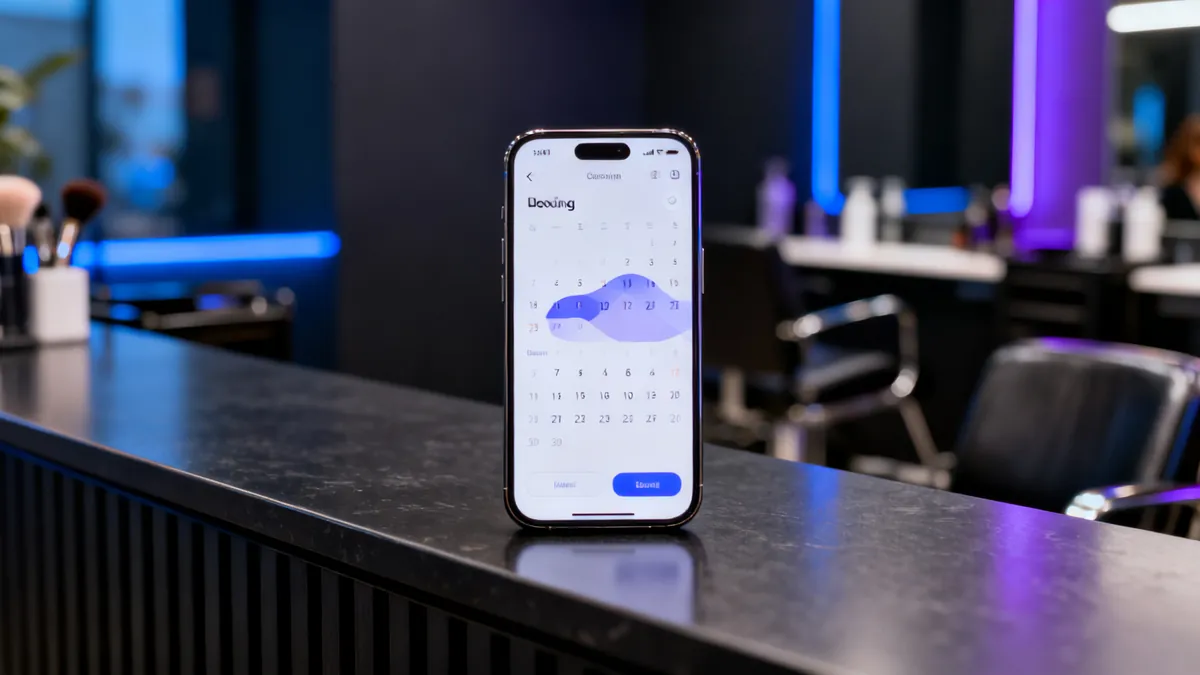
An online calendar is not for everyone. Where it fits, it gives the owner back a few hours a week. Where it does not fit, it becomes yet another icon that nobody clicks.
What really changes
The biggest change is not that the customer "books themselves". It is that they stop calling in the middle of your work. A call answered with gloved hands or halfway through sanding is not a conversation after which anyone comes back.
The second change is quieter: double bookings disappear. When appointments live in a calendar rather than in text messages and a notebook, you cannot book two people for the same hour.
When it is an unnecessary expense
- When you see a few people a week. At that scale, the phone is faster than any system.
- When every service requires a conversation before a quote. Then the calendar at most books the quote, not the service itself, and the website has to say so plainly.
- When appointments are arranged on the spot, when the previous job is collected. That rhythm works and there is no point in breaking it.
What such a calendar must have so that it does not get in the way
- Different service durations. A consultation and a full service cannot take up the same slot, because either you lose half a day or you cannot keep up with the next customer.
- A buffer between appointments. Fifteen minutes to clean the workstation and answer the phone saves the whole schedule.
- Blocks: holidays, free Saturdays, one day a week for collections only.
- A confirmation by email and a reminder the day before. This is the one thing that most reduces missed appointments.
- The option to enter an appointment by hand when a customer calls after all.
Where empty slots come from
The most common mistake is to publish the whole schedule for every day. The customer sees thirty free slots and subconsciously reads it as "nobody comes here". Narrower availability, set honestly, looks better and is easier to manage.
The second reason is mundane: a form that asks for too much. A name, a phone number and the choice of service are enough. The car make, registration number and paint history can be asked for in the confirmation.
What about payment when booking?
Prepayment can reduce no-shows, but in services where the price depends on the condition of the item the customer brings in, it can cause trouble. A safer option is a small, fixed deposit deducted from the bill. Before you switch it on, check how you describe refunds: that is a matter for your terms and conditions, not for the system settings.
What we do not promise
A calendar will not bring in customers. If the phone is not ringing, the problem is not the lack of online booking but the fact that nobody reaches the website. In that case we start with something else, and we say so in the first conversation.
A booking calendar for your business
See how we do it